
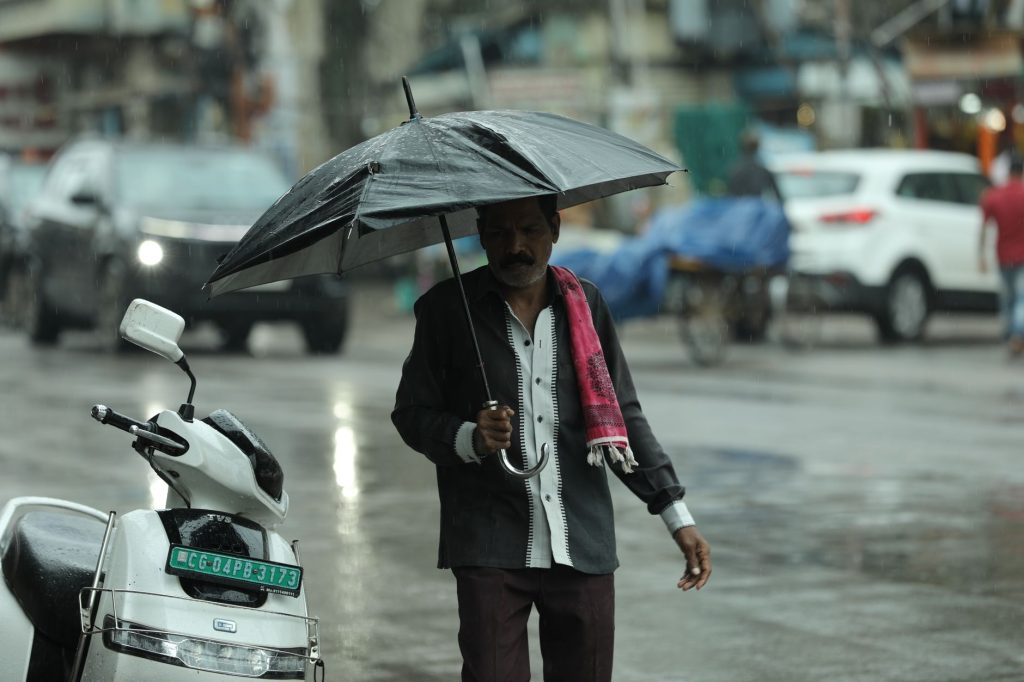
Chhattisgarh dry day has been declared for Janmashtami, leading to the closure of meat shops in urban areas as part of the state’s festivities.
Understanding Chhattisgarh Dry Day Regulations
The Chhattisgarh dry day regulations are implemented to maintain social harmony and respect cultural sentiments during significant festivals. On Janmashtami, a major Hindu festival celebrating the birth of Lord Krishna, the state government has declared a dry day, prohibiting the sale of alcoholic beverages. This decision is rooted in the belief that such measures promote peace and reverence during religious observances.
In addition to the closure of liquor shops, the government has also ordered the closure of meat shops in urban areas, reinforcing the festival’s spirit of vegetarianism and purity. This approach not only caters to the predominant cultural practices but also aims to foster a sense of community during the festivities.
Chhattisgarh’s regulations regarding dry days are not uncommon in India, where various states observe similar practices during specific religious events. The enforcement of these rules is seen as a way to ensure that the significance of the occasion is upheld, allowing citizens to engage in celebrations without distractions that could lead to unrest or disrespect.
Overall, the implementation of the Chhattisgarh dry day is a thoughtful measure that aligns with the values and traditions of the local population.
Impact of Chhattisgarh Dry Day on Local Businesses
The declaration of a dry day in Chhattisgarh on Janmashtami has significant implications for local businesses. The closure not only affects liquor shops but also has a ripple effect on various sectors.
For bar and restaurant owners, the impact is immediate. Many establishments depend heavily on alcohol sales during festive occasions, and a dry day means potential revenue losses. Additionally, the closure of meat shops in urban areas further compounds the situation, as many consumers pair these items with alcohol for their celebrations.
Local suppliers and distributors are also feeling the pinch. With decreased demand for alcoholic beverages and related products, they may face challenges in maintaining their inventory and managing cash flow. This situation could lead to layoffs or reduced hours for employees in affected businesses.
Moreover, the dry day in Chhattisgarh could drive some consumers to seek alternatives outside the state, leading to a potential loss of business to neighboring regions. Overall, the dry day on Janmashtami poses challenges that local businesses must navigate carefully while adhering to state regulations and maintaining community goodwill.
Public Reaction to Chhattisgarh Dry Day Announcement
The announcement of a dry day in Chhattisgarh on Janmashtami has sparked a variety of reactions among the public. Many residents express support for the decision, viewing it as a respectful observance of the religious festival. Ravi Kumar, a local shopkeeper, stated, “It’s important to honor our traditions, and a dry day helps maintain the sanctity of the occasion.”
Conversely, some individuals feel that the Chhattisgarh dry day may adversely affect their personal plans. Meena Sharma, a college student, mentioned, “While I understand the significance, it does put a damper on our celebrations. We often gather with friends to enjoy the festive spirit.”
Additionally, the closure of meat shops in urban areas has drawn mixed responses. Some community members argue that such measures promote healthier lifestyles, while others worry about the impact on local businesses. Ajay Verma, a meat vendor, remarked, “This closure on Janmashtami might lead to a loss of income, but I respect the reasons behind it.”
As the day approaches, the community continues to discuss the implications of this decision.
Chhattisgarh Dry Day and Cultural Significance
The announcement of a Chhattisgarh dry day on Janmashtami is not just a regulatory decision; it reflects the cultural and religious sentiments of the local population. Janmashtami, celebrating the birth of Lord Krishna, is a significant event in Hindu culture, marked by joyous celebrations and spiritual observances.
During this time, the government aims to promote a sense of purity and devotion among the devotees. The closure of liquor shops and meat shops in urban areas is aligned with the traditional values and practices observed during religious festivals. This move is perceived as a way to encourage families to participate in prayers, rituals, and community gatherings without the distractions of alcohol consumption.
Moreover, the restrictions serve to maintain peace and order, ensuring that the festivities are celebrated in a respectful manner. Residents are generally supportive of this initiative, recognizing its role in enhancing the cultural atmosphere during such auspicious occasions. The combination of devotion and regulation reflects a harmonious approach to preserving the sanctity of Janmashtami while promoting social responsibility.
Government’s Role in Chhattisgarh Dry Day Policies
The Chhattisgarh government plays a pivotal role in the enforcement of dry day policies, particularly during significant cultural celebrations such as Janmashtami. By declaring a dry day, the government aims to uphold the values and traditions associated with this festival, fostering a respectful atmosphere for devotees.
These regulations not only prohibit the sale of alcohol but also extend to the closure of meat shops in urban areas. This approach reflects the state’s commitment to promoting a sense of community and reverence during religious observances.
The decision to implement a dry day in Chhattisgarh is often met with mixed reactions. While some residents appreciate the initiative to create a sober environment for worship, others express concern about its impact on local businesses that rely on sales during festive periods. Nonetheless, the government’s stance remains firm, as it seeks to balance cultural significance with public health considerations.
Ultimately, the Chhattisgarh dry day serves as a reminder of the state’s dedication to preserving its cultural heritage while navigating the complexities of modern societal needs.
Future of Chhattisgarh Dry Day Celebrations
The future of Chhattisgarh dry day celebrations appears to be a topic of ongoing discussion among policymakers and the public. As the state continues to uphold its cultural values, the government is likely to maintain the practice of declaring dry days during significant festivals, such as Janmashtami.
Factors influencing the future of these celebrations include:
- Cultural Preservation: The government aims to respect and promote local traditions, making dry days a key aspect of cultural observances.
- Public Health: Declaring dry days can be seen as a measure to encourage responsible drinking and reduce alcohol-related incidents during festive times.
- Economic Considerations: While businesses may face short-term losses, the long-term benefits of fostering a family-friendly environment can outweigh these drawbacks.
- Community Engagement: Increased community participation during dry days can strengthen social ties and promote a sense of unity among residents.
As Chhattisgarh continues to navigate the balance between tradition and modernity, the dry day initiative could evolve, reflecting the changing values of its society.
The Chhattisgarh dry day on Janmashtami aims to promote a respectful celebration of this significant festival. Many locals support the Chhattisgarh dry day, believing it fosters a more family-oriented atmosphere during the festivities.
Photo by “Beyond India by Shubham Thakur” on Pexels