
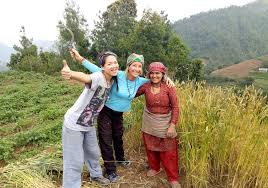
Gap year volunteer programs are structured experiences that allow young individuals to contribute meaningfully to communities while gaining personal and professional growth. Unlike traditional volunteering, these programs are often immersive, offering opportunities to work in education, healthcare, environmental conservation, and social services. Participants engage in hands-on tasks that directly impact local populations, fostering a sense of responsibility and global awareness. Data from global Gap Year Volunteer Programs organizations indicate that over 60% of participants report enhanced skills and increased cultural understanding after completing such programs.
Why Should Youth Consider Volunteering During a Gap Year?
Engaging in volunteer programs during a gap year can be transformative. Research shows that young volunteers develop stronger leadership, communication, and problem-solving skills compared to peers who follow conventional academic paths. Youth volunteering also encourages empathy and social awareness. By interacting with diverse communities, participants gain insight into global challenges and cultural perspectives, preparing them for future roles in a connected world. Surveys suggest that individuals who volunteer during a gap year are 45% more likely to pursue socially responsible careers.
How Do Gap Year Volunteer Programs Foster Personal Growth?
These programs are not only about service; they are about shaping resilient, self-aware individuals. Participants often face real-world challenges, such as resource limitations, language barriers, or cross-cultural misunderstandings. Overcoming these obstacles fosters adaptability and critical thinking. Additionally, living and working in unfamiliar environments encourages independence and self-confidence. Statistics indicate that 70% of participants report improved decision-making skills and greater self-efficacy, highlighting the value of experiential learning outside a traditional classroom.
What Types of Volunteer Opportunities Are Available?
Gap year volunteer programs offer diverse options catering to different interests and skill sets. Common fields include education, where participants tutor or assist in schools; healthcare, involving awareness campaigns or support for medical facilities; and environmental conservation, focused on wildlife protection, sustainable farming, or eco-tourism initiatives. Social development projects, such as working with marginalized communities or youth mentorship programs, are also prevalent. Data from international volunteer networks reveal that education-focused programs engage the highest number of young participants, followed closely by environmental projects.
How Does Volunteering Impact Communities and Youth Simultaneously?
Volunteer programs create a dual impact: benefiting communities while fostering youth development. Communities gain access to additional support, innovative solutions, and cross-cultural exchange. Meanwhile, volunteers acquire practical experience, cross-cultural competence, and a deeper understanding of societal issues. Studies indicate that communities report up to a 35% increase in program efficiency when supported by motivated gap year volunteers. This reciprocal model ensures sustainable contributions while nurturing future leaders.
What Skills Do Participants Gain That Enhance Future Opportunities?
Gap year volunteering equips youth with transferable skills that are valuable for education and career advancement. Leadership, teamwork, communication, and project management are consistently cited as key outcomes. Participants also develop cultural sensitivity, conflict resolution abilities, and strategic thinking. According to longitudinal studies, young adults who volunteer internationally during a gap year are 50% more likely to secure internships or job placements that align with social impact or international engagement.
Is a Gap Year Volunteer Program the Right Choice for Aspiring Global Citizens?
For youth seeking meaningful engagement, gap year volunteer programs provide a platform to make tangible contributions while gaining invaluable personal growth. By participating, young individuals become more aware, capable, and motivated to address global challenges. With measurable benefits for both communities and volunteers, these programs offer an impactful approach to bridging service and development. Statistical evidence underscores that youth volunteering during a gap year not only shapes career trajectories but also fosters lifelong civic responsibility, making it a highly recommended path for aspiring global citizens.